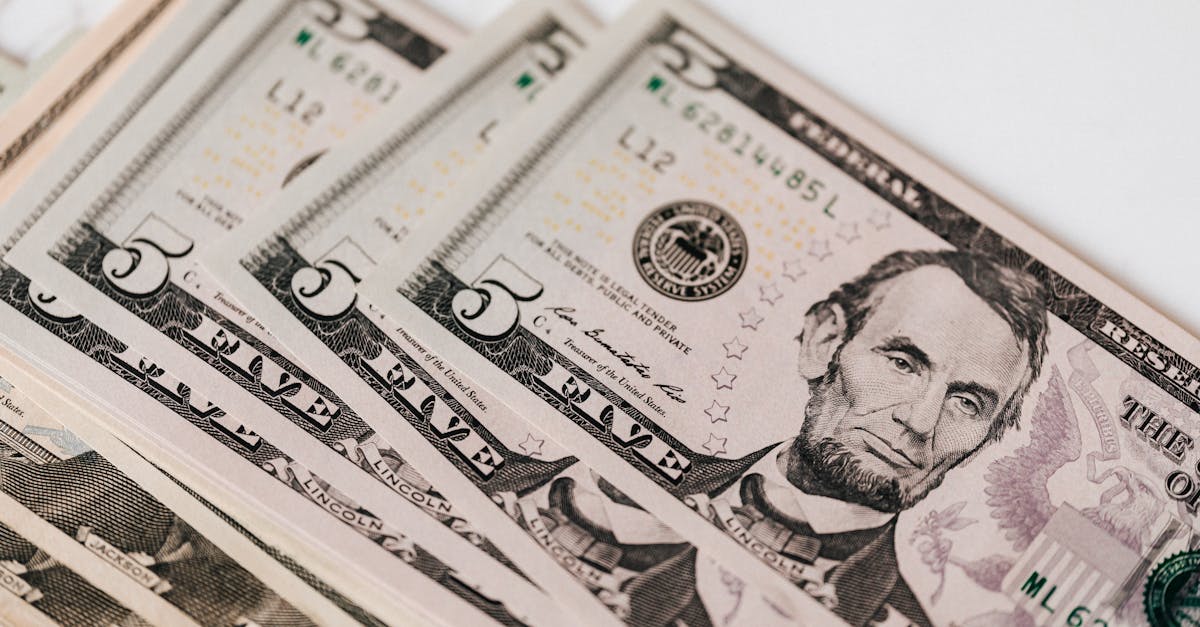
The Magic of Starting Small
Have you ever looked at a massive oak tree and wondered how it started? It began as a tiny, inconspicuous acorn. Your financial future works exactly the same way. Many people fall into the trap of thinking they need a massive windfall or a six figure salary to start building real wealth. They believe that if they cannot save hundreds of dollars a month, they should not bother saving at all. I am here to tell you that this mindset is the single biggest barrier between you and financial independence.
The power of small savings is not about the magnitude of the individual transaction. Instead, it is about the momentum created by regular, disciplined action. Whether you are setting aside five dollars from your morning coffee budget or tossing spare change into a digital vault, every penny counts. When you start small, you lower the barrier to entry, making it easier to build a habit that lasts a lifetime. You do not need to be a Wall Street tycoon to grow your money; you just need to be a consistent saver.
Understanding the Mathematical Miracle of Compounding
Albert Einstein reportedly called compound interest the eighth wonder of the world. He was not exaggerating. Imagine a snowball rolling down a hill. At the top, it is just a handful of cold powder. As it rolls, it picks up more snow, which then helps it pick up even more. By the time it reaches the bottom, it is a massive boulder.
Compounding is the process of earning returns on your previous returns. When you save a tiny amount, it earns interest. The next month, your original savings plus that interest earn even more interest. Over months and years, this creates an exponential growth curve. While the initial growth might look slow and even boring, the real magic happens in the later stages. If you start early and keep at it, your money essentially begins to work for you while you sleep. You are no longer just trading time for money; you are building an engine that generates its own fuel.
The Psychology Behind Tiny Deposits
Why do we struggle to save large amounts? Often, it is because we feel the pinch of “loss aversion.” When we look at a big number, our brain screams that we are losing purchasing power. But when you break that goal down into tiny, micro transactions, the pain of saving disappears.
By automating your savings into small increments, you trick your brain into forgetting the money is even gone. It becomes a background task, like your heart beating or your lungs breathing. This psychological safety allows you to sustain the effort without feeling deprived. You stop focusing on what you are giving up today and start focusing on the identity of being a person who saves money. That shift in identity is far more powerful than any spreadsheet.
Shifting Your Mindset From Scarcity to Abundance
Scarcity is the belief that there is never enough. It keeps us in a state of anxiety where we justify overspending because we feel like we deserve a treat. Abundance, on the other hand, is the understanding that your resources can grow if you manage them with intention.
When you start saving tiny amounts, you are practicing a form of financial self love. You are telling yourself that your future matters. This shift in perspective ripples out into every other area of your life. You start noticing where you waste money because you value your savings goal more than the convenience of a subscription you never use. You begin to treat your savings account like a garden that needs daily watering rather than a piggy bank you can raid whenever you are bored.
Why Automation Is Your Greatest Financial Asset
Willpower is a finite resource. If you rely on your own ability to manually move money to your savings account every single day, you will eventually fail. Life happens. You will have a bad week, a surprise bill, or a moment of weakness, and you will skip a deposit. This is why automation is non negotiable.
Set up an automatic transfer from your checking account to your savings or investment account the moment your paycheck hits. It does not have to be a large amount. Even twenty dollars per paycheck is a fantastic start. Because the process is invisible, you will learn to live on what is left in your checking account. You are essentially paying yourself first, treating your financial future as the most important bill you have to pay.
The Art of Consistency Over Intensity
People often try to sprint toward their goals. They save a huge amount one month, feel burned out, and then spend it all the next month to “reward” themselves. This is a recipe for disaster. Saving is a marathon, not a sprint.
Consistency is the secret sauce. Saving fifty dollars every single month for ten years is vastly superior to saving five hundred dollars for two months and quitting. The habit becomes ingrained in your lifestyle. It stops being a chore and starts being your standard operating procedure. When you focus on being consistent, you remove the pressure to be perfect.
Outsmarting Inflation With Regular Contributions
Inflation is the silent thief that erodes the value of your cash sitting under a mattress. If you are not investing or saving at a rate that beats inflation, you are technically losing money over time. By consistently saving and putting those funds into interest bearing accounts or market investments, you fight back.
The beauty of regular contributions is “dollar cost averaging.” When the market is high, your money buys fewer shares. When the market is low, your money buys more. Over time, this averages out your cost per share, protecting you from the volatility that scares most people away from building wealth. You do not need to time the market; you just need to keep buying into it.
Building a Safety Net One Dollar at a Time
Life is full of unexpected twists. Your car breaks down, your laptop dies, or you have a medical expense you did not plan for. Without a buffer, these small hiccups become major financial crises that force you to use high interest credit cards. An emergency fund is your armor against these life events.
Do not be discouraged if your emergency fund starts at zero. If you save just five dollars a day, you will have over 1800 dollars in a year. That is enough to cover a major unexpected repair or a sudden expense that would otherwise put you into debt. By building this layer of protection, you buy yourself peace of mind. You sleep better at night knowing that a single bad day will not derail your entire life.
Cutting the Small Leaks That Drain Your Wealth
We all have “financial leaks.” These are the small, habitual expenses that provide very little actual value. It could be that extra streaming service you never watch, the daily gourmet coffee, or the habit of ordering food delivery when there is a perfectly good fridge full of groceries at home.
Look at your transactions from the last thirty days. Identify one or two things you are spending money on that do not really bring you joy. Redirect that money straight into your savings. It is not about living in misery; it is about pruning your spending so that your money grows where it matters most. You are simply choosing to invest in your future instead of someone else’s bottom line.
Finding the Right Home for Your Small Savings
Where you put your money matters. If you leave your savings in a traditional checking account that pays zero interest, you are missing out on free growth. High yield savings accounts are a great place to start. They are federally insured, easy to access, and offer much better interest rates than standard banks.
As you gain more confidence, you might look into tax advantaged retirement accounts or low cost index funds. The key is to keep your money in an environment that is optimized for growth. Do not let your money sit stagnant. It should always be looking for ways to multiply, even if it is just a few cents at a time.
The Relationship Between Saving and Debt Repayment
Should you save while you have debt? This is a common point of confusion. The answer is usually a balanced approach. While you should prioritize paying off high interest debt like credit cards, you should also maintain a small savings habit.
If you stop saving entirely to focus on debt, you risk falling back into the same trap when another emergency occurs. By keeping a small, consistent savings habit alive, you maintain your financial momentum. You are simultaneously shrinking your liabilities and growing your assets. It is a dual approach that ensures you do not just get back to zero, but that you move toward building actual wealth.
Micro Investing Apps and the Future of Wealth
We are living in an era where the barriers to entry for investing have been completely shattered. There are now apps that round up your purchases to the nearest dollar and invest the change. If you buy a coffee for 2.65, the app rounds it to 3.00 and puts 0.35 into an investment portfolio.
These micro investments might seem trivial on a day to day basis, but they add up significantly over the course of a year. They take the friction out of investing. You do not have to study stocks or understand complex financial instruments. The app handles the heavy lifting while you live your life. This is the definition of low effort, high reward saving.
The Long Game: Visualizing Your Future Self
It is hard to care about your future self when your current self is tired, stressed, and wants that new gadget. However, you need to cultivate a relationship with the person you will become in twenty years. That person is counting on you to make good decisions today.
Try to visualize where you want to be in a decade. Are you debt free? Do you have an investment portfolio that covers your expenses? That freedom is not a stroke of luck. It is the result of thousands of tiny, boring choices made consistently. When you save, you are literally mailing money to your future self. Make sure you are being generous.
Avoiding Common Pitfalls on Your Journey
The most common pitfall is the urge to spend your savings as soon as the account balance looks “big enough.” This is called lifestyle creep. As you get better at saving, you might feel like you can afford more, so you start spending more. This negates your progress.
Another pitfall is comparing your journey to others. You might see friends buying fancy cars or going on expensive vacations. Resist the urge to compare. Their path is not yours. Stay focused on your own numbers and your own goals. Remember that you are building a foundation that will outlast any temporary thrill of a purchase.
Final Thoughts on Your Wealth Building Path
Building wealth is not about grand gestures. It is about the quiet, consistent act of saving whatever you can, whenever you can. It is about understanding that a dollar saved today is more than just a dollar; it is a seed that will grow into an oak tree of financial freedom. Do not wait for the perfect time, the perfect salary, or the perfect market conditions. Start where you are, with what you have. Use the tools at your disposal, automate your habits, and let the mathematics of time do the heavy lifting for you. You have the power to change your financial trajectory, one small deposit at a time.
Frequently Asked Questions
1. Is it really worth it to save such tiny amounts?
Absolutely. The habit is far more important than the amount. Once you establish the discipline of saving, you can always increase the amount, but you cannot increase what you do not have the habit of doing.
2. Does inflation cancel out small savings?
If you keep your money in a zero interest account, inflation will erode its value. However, by putting your savings into high yield accounts or investment vehicles, you allow your money to grow at a rate that fights against inflation.
3. How much should I aim to save as a beginner?
Start with an amount that feels so small it is almost impossible to fail. Even five or ten dollars per paycheck is a fantastic foundation. The goal is to build the muscle of saving.
4. Should I focus on paying debt or saving?
It is usually best to do both. Prioritize high interest debt first, but keep a small “habit” of saving to ensure you have a buffer for emergencies and keep your financial momentum moving forward.
5. How long does it take for these small amounts to make a difference?
Because of compounding, the growth starts slow but accelerates over time. You will notice a psychological difference almost immediately, and you will see tangible, life changing results within a few years of consistent behavior.